Knowing which week pregnancy symptoms start is one of the most common questions among women trying to conceive. Understanding early changes in your body can help you detect pregnancy sooner and prepare for the coming months. In this article, we break down when pregnancy symptoms begin, why they vary, what signs to look for, and when to take a pregnancy test — all based on medical research and expert guidelines.

When Do Pregnancy Symptoms Start?
Most women begin to notice pregnancy symptoms between Week 4 and Week 6 — which is about 1–2 weeks after a missed period.
However, this varies widely:
Some women notice symptoms as early as Week 2–3 (right after conception).
Others feel no symptoms until Week 7–8 or later.
A few may not feel noticeable symptoms at all during early pregnancy.
The timing depends on hormone levels, especially hCG (human chorionic gonadotropin) and progesterone, which rise rapidly after implantation.
Why Do Pregnancy Symptoms Start at Different Times?
Every body responds differently to hormonal changes. Several factors influence when early signs appear:
1. Rate of Hormone Increase
Some women produce hCG faster, causing earlier symptoms such as nausea or breast tenderness.
2. Sensitivity to Hormones
If your body is more sensitive to hormonal changes, you may feel early symptoms even before a missed period.
3. Previous Pregnancies
Women who were pregnant before may recognize symptoms earlier.
4. Natural Body Variation
Each body is unique — there is no “exact week” that applies to everyone.
Timeline of Early Pregnancy Symptoms (Week-by-Week)
Week 1–2 (Before Conception)
No pregnancy symptoms occur yet because conception has not happened.
Week 3 (Around Conception)
A few women may feel:
Mild cramping
Spotting (from ovulation)
These are not usually pregnancy symptoms.
Week 4 (Implantation Period)
Earliest pregnancy symptoms may appear, including:
Light implantation bleeding
Mild cramps
Fatigue
Slight nausea
Heightened sense of smell
Week 5 (Missed Period Week)
This is when most women notice symptoms:
Missed period
Breast tenderness
Frequent urination
Fatigue
Mood swings
Week 6
Symptoms intensify due to rising hCG:
Morning sickness
Nausea (any time of day)
Food aversions
Bloating
Week 7–8
Peak hormonal changes:
Stronger nausea
Vomiting
Breast soreness
Extreme tiredness
Week 9–12
Symptoms may continue or start to decrease for some women.
Most Common Early Pregnancy Symptoms
Using the focus keyword pregnancy symptoms, here are the early signs scientifically linked to early pregnancy:
1. Missed Period
The most obvious early sign.
2. Nausea & Morning Sickness
Begins around Week 5–6.
3. Breast Tenderness
Caused by rising progesterone.
4. Fatigue
Progesterone increases can make you unusually tired.
5. Frequent Urination
The uterus starts expanding slightly, putting pressure on the bladder.
6. Implantation Bleeding
Light spotting 6–12 days after conception.
7. Food Cravings or Aversions
Smell and taste sensitivity increase.
8. Mood Swings
Hormonal changes affect emotions.
When Should You Take a Pregnancy Test?
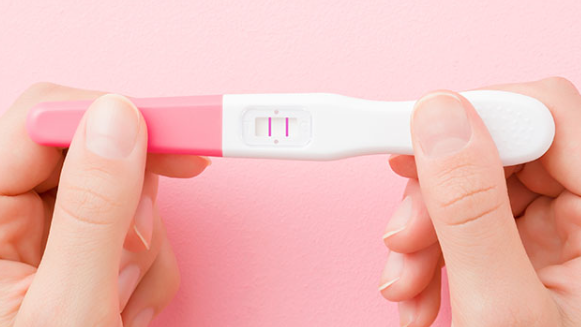
You can take a test as early as 10–12 days after ovulation.
For best accuracy, test one week after a missed period.
Blood tests detect pregnancy even earlier.
When to See a Doctor?
You should contact a healthcare provider if:
You get a positive pregnancy test.
You experience severe abdominal pain, heavy bleeding, or dizziness.
You have a history of miscarriage or ectopic pregnancy.
FAQ About Early Pregnancy Symptoms
1. Can pregnancy symptoms start at Week 2?
Rare, but some women feel very early changes due to hormonal sensitivity.
2. Is it possible to be pregnant with no symptoms?
Yes. Some women feel no symptoms until later weeks.
3. Are early pregnancy symptoms similar to PMS?
Yes. Symptoms like breast soreness and cramping overlap, making it hard to tell without testing.
Conclusion
Most pregnancy symptoms start between Week 4 and Week 6, but the exact timing varies for every woman. Understanding your body’s signals and using a reliable pregnancy test provides the clearest answer. If you suspect pregnancy, track symptoms and consult a healthcare provider for confirmation and guidance.
References (Medical & Reliable Sources)
American College of Obstetricians and Gynecologists (ACOG). “Early Pregnancy Symptoms & Care.”
Mayo Clinic. “Pregnancy symptoms: What are the earliest signs?”
Cleveland Clinic. “Early Signs of Pregnancy.”
National Institutes of Health (NIH). “Human Chorionic Gonadotropin (hCG) Levels in Early Pregnancy.”