Allergy during pregnancy is a common but often uncomfortable issue. Hormonal changes, increased blood flow, and shifts in immune function can make allergy symptoms worse or more unpredictable. But the good news is: you can manage most allergies safely — with the right strategies and under medical supervision.
In this guide, you’ll learn about why allergy symptoms may change during pregnancy, practical ways to reduce triggers, and which medications are considered safe by experts.
Why Allergy Symptoms Change During Pregnancy

Hormonal Influence: Pregnancy hormones like estrogen and progesterone can cause nasal congestion and swelling, contributing to “pregnancy rhinitis.”
Immune System Modulation: The immune system adapts during pregnancy, which can influence allergic reactions (sometimes making them better, sometimes worse).
Environmental Exposures: If you’re exposed to allergens like dust mites, pet dander, or pollen, symptoms can flare — especially since your pregnant body may react more strongly.
Non-Medication Strategies to Manage Allergy During Pregnancy
Before jumping to medications, it’s best to start with non-pharmacological methods because they carry little to no risk to your baby.
Identify & Avoid Triggers: Work with your healthcare provider or allergist to pinpoint common triggers (dust mites, molds, pets, smoke). Minimize exposure as much as possible.
Improve Indoor Air Quality: Use air purifiers, keep your rooms clean, vacuum with a HEPA filter, and wash bed linens weekly in hot water.
Use Saline Nasal Spray or Irrigation: Saline (salt-water) sprays or a neti pot help clear allergens and reduce nasal congestion without relying on medications. Mayo Clinic recommends using sterile or distilled water for nasal irrigation.
Elevate Your Head While Sleeping: Raising the head of your bed (or using extra pillows) helps reduce nasal congestion.
Lifestyle Habits: Gentle exercise (if approved by your doctor) can improve nasal airflow. Also avoid cigarette smoke and polluted environments.
Safe Medications for Allergy During Pregnancy
If lifestyle changes and non-medical strategies don’t give enough relief, certain allergy medications are considered relatively safe in pregnancy — but only under the guidance of a healthcare provider.
Here’s a breakdown of commonly used medications, with what doctors often consider safe and what to avoid.
Antihistamines
Oral antihistamines are often first-line treatment for allergy symptoms like sneezing, itching, or runny nose.
Generally Safe: Loratadine (Claritin), Cetirizine (Zyrtec), Chlorpheniramine, and Diphenhydramine (Benadryl) have been used in pregnant women with reassuring data.
Caution: Avoid combination antihistamines that also contain decongestants (e.g., “-D” formulations) without medical advice, especially in early pregnancy.
Nasal Treatments
Steroid Nasal Sprays: Fluticasone (Flonase), Budesonide, and Mometasone are generally recommended for moderate-to-severe nasal allergy symptoms.
Cromolyn Sodium (Nasal): This is a non-steroidal spray that can be used in pregnancy, but may not be as strong as steroids.
Decongestant Sprays: Use with caution. For example, oxymetazoline nasal spray may be allowed but only for a short duration (e.g., no more than 3 days), to avoid rebound congestion.
Immunotherapy (Allergy Shots)
If Already Ongoing: If you were receiving allergen immunotherapy before pregnancy and are on a maintenance dose, it’s often considered safe to continue during pregnancy.
Starting During Pregnancy: It’s generally advised not to begin allergen immunotherapy during pregnancy because of the risk of systemic allergic reactions.
Special Considerations & Warnings
Consult an Allergist: If you have moderate to severe allergies, or if they affect your daily life, talk to an allergist. According to the ACAAI, allergists are specially trained to balance symptom control and maternal-fetal safety.
Medication Timing: Many doctors prefer to avoid or limit certain medications (like decongestants) during the first trimester, when fetal development is most vulnerable.
Balance Risk vs. Benefit: While no medicine is 100% risk-free, poorly controlled allergic disease (or asthma) can also harm you or your baby. According to the ACAAI, keeping symptoms in check is often more beneficial than avoiding treatment completely.
Monitor Treatment: If you continue allergy shots, your allergist may adjust the dose — for instance, reducing it if needed.
Avoid Herbal Remedies Without Advice: There’s limited safety data on many herbal or alternative allergy treatments in pregnancy, so medical guidance is essential.
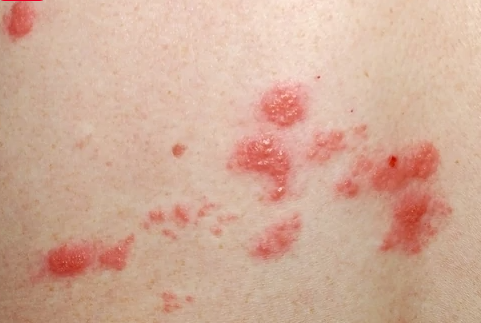
Skin Allergies: For allergic skin conditions (e.g., eczema, chronic urticaria), treatment should balance effectiveness and safety — a specialist (dermatologist or allergist) can guide on safe topical and systemic therapies.
When to Call Your Doctor
If allergy symptoms worsen significantly (for example, breathing difficulty, asthma-like symptoms)
If over-the-counter treatments don’t help at all
If you’re considering starting a new allergy therapy (especially immunotherapy)
If you develop hives, swelling, or any signs of a more serious allergic reaction
Summary
Allergy during pregnancy is common but manageable with the right approach.
Start with non-medical strategies: avoid triggers, use saline sprays, improve air quality.
If medication is needed, certain antihistamines and nasal sprays are generally considered safe under doctor supervision.
Avoid starting allergy shots during pregnancy; but you may continue them if you were already on maintenance.
Always weigh the benefits and risks of treatment — and talk to a specialist if your symptoms are significant.
Final Note
Every pregnancy is unique. What works for one person may not work for another. Always check with your obstetrician, allergist, or primary care provider before taking any medicine or making significant changes to your allergy management plan.
References:
World Allergy Organization: Management of allergic diseases during pregnancy. BioMed Central
Mayo Clinic: Allergy medications and pregnancy. Mayo Clinic
Cleveland Clinic: Allergy medicine while pregnant. Cleveland Clinic
Healthline: Allergies during pregnancy treatments. Healthline
ACAAI (American College of Allergy, Asthma & Immunology): Pregnancy and allergy. ACAAI Patient
PMC article: Non-pharmacological and pharmacological management during pregnancy.